
CORE INTERNATIONAL
Registered Name: CORE INTERNATIONAL
Business No: 841814965RR0001
This organization is designated by Canada Revenue Agency (CRA) as a registered charity. They comply with the CRA's requirements and have been issued a charitable registration number.
This charity is fully set up with CanadaHelps, allowing for faster donation processing and access to more features
CORE International supports projects that help people build the skills and confidence for self-sufficiency.
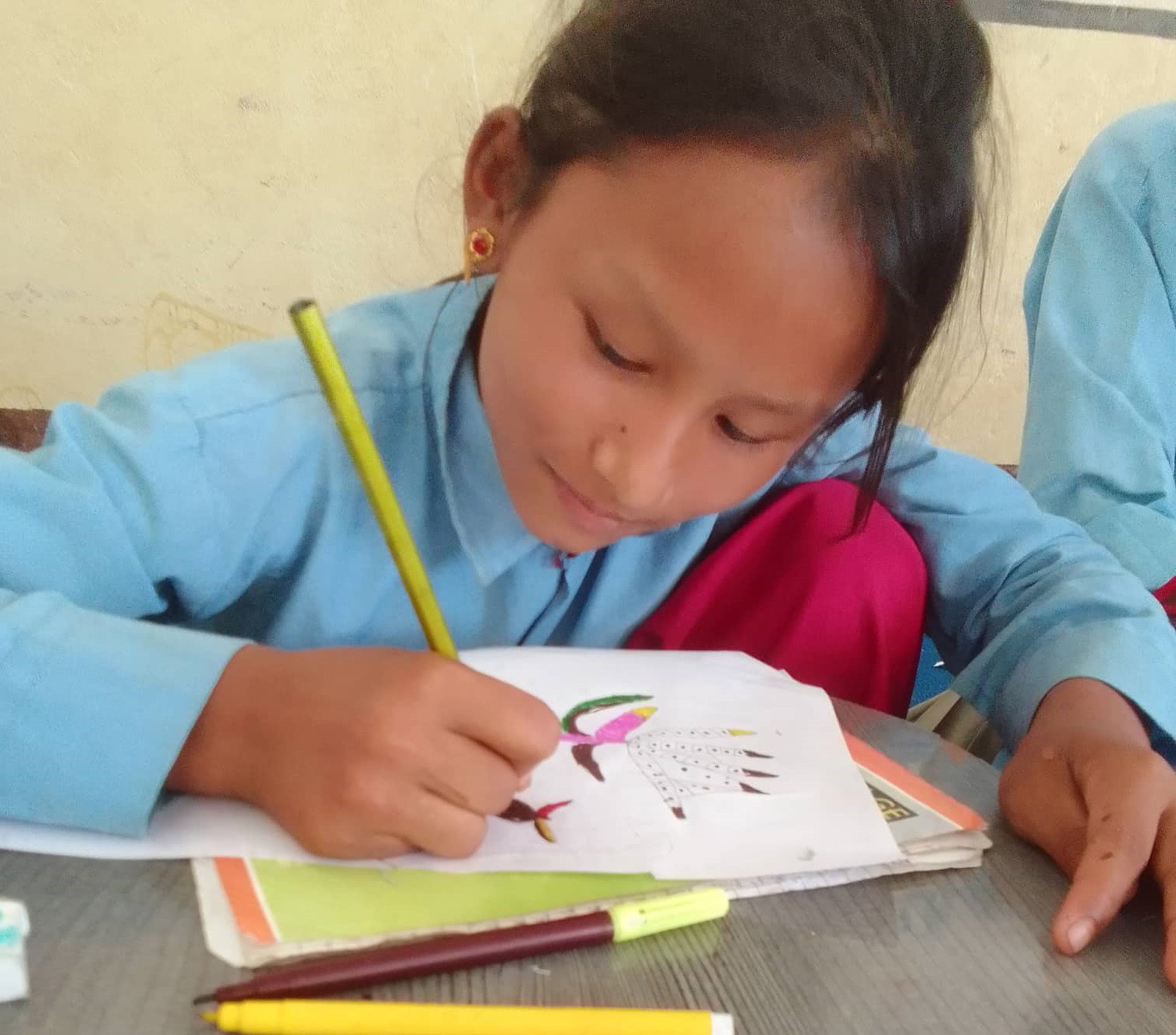
CORE in Nepal
CORE has had ongoing programs in Nepal since 2006. We focus on longer-term activities to help improve the lives and livelihoods of poor and vulnerable people. We aim to reduce poverty by addressing one or more of its many causes. During the COVID-19 pandemic, we supported prevention and relief activities.
Our ongoing work in 2025 includes:
Rural Marginalized Community Educational Support
Support to very disadvantaged children and women
In April 2017, CORE began a project with Himalayan Human Rights Monitors (HimRights) to give scholarships to Chepang kids in Makwanpur, the district just to the south of Kathmandu. In January 2018, it offered training to the parents to help them improve their livelihoods and their appreciation of the importance of education. The Chepang don’t migrate to the city, they are truly forest people.
HimRights has worked in the area for a few years already and had a field staff person ready to start visiting families to encourage them to send their kids to school and to work with the villages.
Several marginalized ethnic groups inhabit the jungles of Makwanpur district. Their access to services, especially education, has been so limited that only 1% of women can read. The parents often do not understand the value of an education, so the dropout rate of the children is high.
The Coordinator has worked with these communities in other projects and makes frequent visits to encourage the parents to send the children to school. A food allowance makes school attendance more attractive for the parents who struggle to have enough food for their families by collecting wild edibles from the jungle and practising subsistence slash-and-burn cultivation. Some earn minimal wages from day wages as unskilled labourers.
CORE: Our Mission
CORE International’s mission is to serve people in poor communities who have been excluded from conventional development assistance to reduce poverty. To help them create opportunities to improve their quality of life through innovative solutions, advocating global responsibility, and working to facilitate lasting change that is guided by the needs and aspirations of the community.
CORE International will work as a partner with the many other Associations within the worldwide movement dedicated to ending poverty.
Objectives
1. To advance education in developing countries by:
• establishing, maintaining, and operating education centres that will provide training for academic schooling, life skills, vocational skills, health awareness /education, appropriate technology, and indigenous knowledge.
• providing scholarships to students attending academic, life skills, and vocational centres.
• providing training and mentoring programs to enable front line workers to conduct educational, vocational, and skills training programs.
2. To relieve poverty in developing countries by:
• establishing, operating and providing livelihood programs and related services for poor, vulnerable, and socially excluded people, and
• Providing emergency financial and technical assistance to the above people.
3. To educate the Canadian public on poverty issues in developing countries.
4. To undertake activities ancillary and incidental to the attainment of the above-noted objects.
About CORE INTERNATIONAL
CORE International focuses on developing partnerships and programs to address the self-identified needs of excluded people. We also work to build ‘bridges’ between groups of people, organizations, and individuals who are able to provide services and support. CORE has identified seven priorities for our development focus including:
• Gender and Social Inclusion
• Literacy, Education, and Participatory Learning and Action
• Sustainable use of resources to improve the livelihoods of the poor
• Primary Health Care
• Micro-enterprise projects
• Appropriate alternative technology and innovations
• Indigenous Knowledge.
Why CanadaHelps
Why donate to CORE INTERNATIONAL on CanadaHelps?

About CanadaHelps
We're a registered charity that provides simple and convenient tools to manage your charitable giving to any Canadian charity of your choice.
Where Your Gift Goes
Charities that set up to receive electronic funds transfers from us will receive your donation quickly, so it can be put to work faster.
Tax Benefits of Donating
Get an instant tax receipt, manage all your tax receipts in one place, and make a difference while maximizing your tax credits with ease.